
HISTORY OF THE BVI’S
The history of the BVI’s reveals an interesting story. It includes the colonisation of the indigenous people, the exploration of the Europeans, and the colonial expansion that followed. Located within the Caribbean Sea, this group of islands carries numerous historical milestones. As a result, the islands hold a colourful cultural heritage shaped by the resilience of their inhabitants.
Introduction to the British Virgin Islands
Hidden in the heart of the Caribbean, the British Virgin Islands form a seaside archipelago. It boasts boundless white sand beaches, crystalline blue waters, and artistic‑cultural richness. This article on the history of the BVI’s reveals the fascinating events that shaped these fairy‑tale islands long ago.
Early Inhabitants and Indigenous Culture
Before European explorers arrived, the Arawak and Carib people called the British Virgin Islands home. These traditional societies lived peacefully alongside nature. They caught fish, farmed the land, and created pottery and tools.
European Exploration and Colonization
In 1493, Christopher Columbus sighted the Virgin Islands during his second voyage to the Americas. Later, explorers such as Sir Francis Drake and Sir John Hawkins claimed the islands for England. This set the stage for centuries of colonial rule.
The Sugar Trade and Plantation Economy
During the colonial era, the British Virgin Islands became hubs for transatlantic sugar production. Plantation owners bought farmland to grow sugar. As a result, this created a lucrative but brutal economy.
Transition to British Rule
In the 17th century, the British Virgin Islands came under British rule following the Treaty of Paris. The islands then became part of the British Empire. Consequently, British governance and administration shaped much of the BVI’s development and identity. There’s still plenty of history of the BVI’s to explore, and locals are always happy to share stories passed down from their ancestors.
Economic Growth and Tourism
Over the past few decades, the British Virgin Islands’ economy has grown substantially. Today, it relies mostly on tourism and financial services. The islands offer white sandy beaches, distinct marine life, and excellent sailing conditions. For these reasons, tourists from around the world visit, creating a positive economic impact.
Environmental Conservation Efforts
Protecting the natural environment remains a top priority in the BVI, especially as tourism, charters, and adventure travel continue to grow. Climate change has made ecological protection even more important. For example, many historical shipwrecks have become ecosystems for coral and fish. Therefore, local authorities have installed mooring buoys to prevent anchor damage in these sensitive areas. As a result, these historical landmarks and natural habitats stay protected for future generations.
Natural Beauty and Attractions
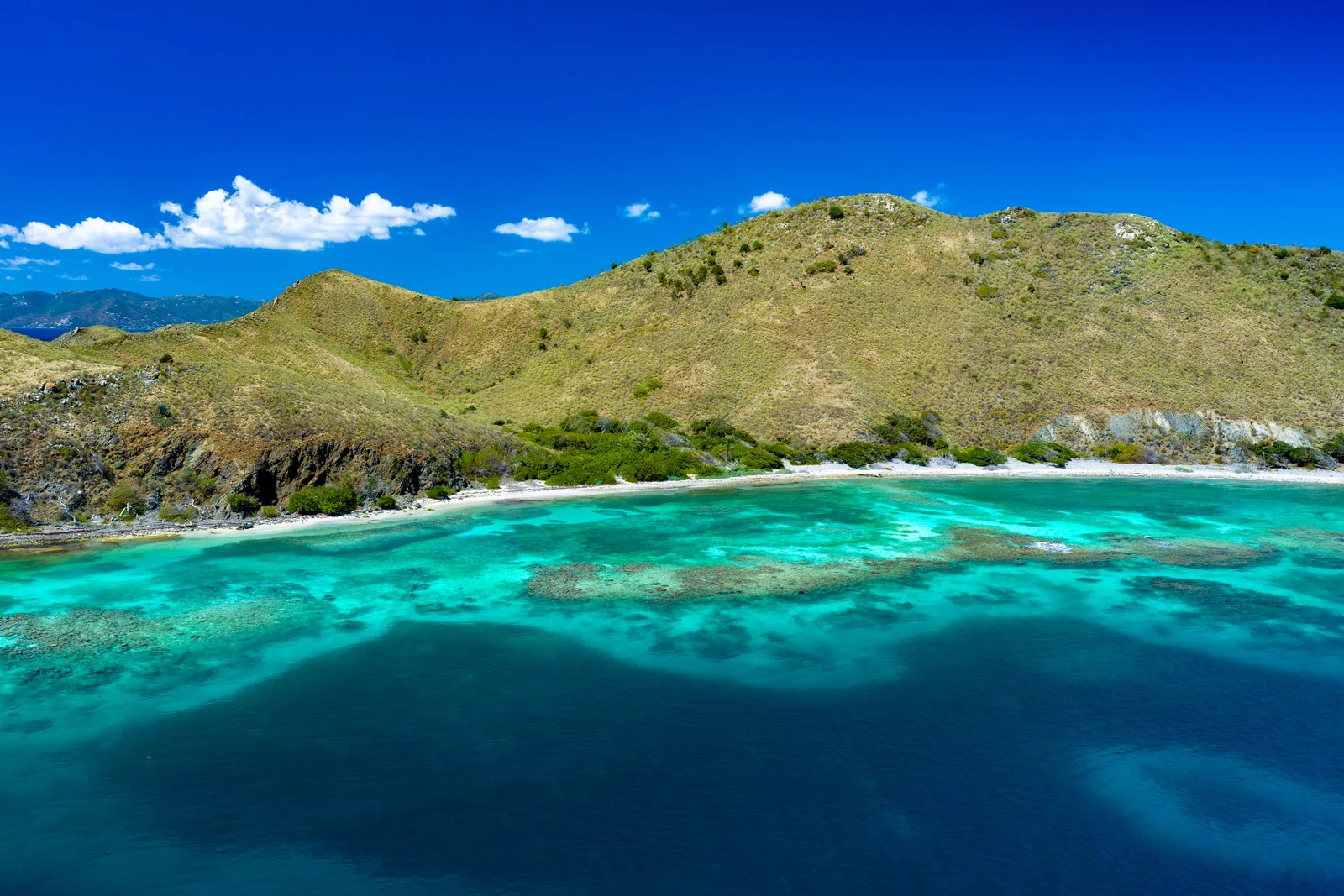
Some of the most popular locations in the British Virgin Islands include the Baths on Virgin Gorda and the secluded beaches of Anegada. Natural beauty surrounds the islands, from colourful coral reefs to some of the most stunning marine life in the Caribbean. Visitors commonly spot Hawksbill turtles and bottlenose dolphins while snorkelling. In addition, you can explore rainforests along the white beach coastlines, or stop in local ports to learn about the islands’ cultural heritage directly from residents.
Sailing Around the BVI’s
Experience the beauty and rich history of the BVI’s like nowhere else by sailing around the British Virgin Islands. Clear waters and countless anchorages let you stop your yacht wherever you like and simply enjoy what the islands offer. Steady wind conditions suit sailors of every skill level. Chartering a yacht or catamaran lets you explore the islands at your own pace, hopping from port to port and discovering hidden gems along the way.
Influences from the BVI’s
Over time, different cultures have influenced the British Virgin Islands. Indigenous people first called the islands home. Later, countries including Britain, the Netherlands, and Spain brought their own traditions, languages, and ways of life. Although this history includes a dark past, it changed the islands significantly. Today, BVI culture blends African, American, Caribbean, and European influences, visible in the local food, customs, and, most importantly, the people themselves.
Conclusion
The British Virgin Islands hold a rich history, one told through the stories of the people who live there and recorded in the heritage of their forefathers. The islands offer a wonderful place to visit, with excellent opportunities for sailing through history while enjoying a beautiful piece of paradise. Next time you book a holiday and want to experience life on a charter yacht while seeing real natural beauty, remember that the BVI’s will not disappoint.